Introduction: Istanbul’s Real Estate Appeal
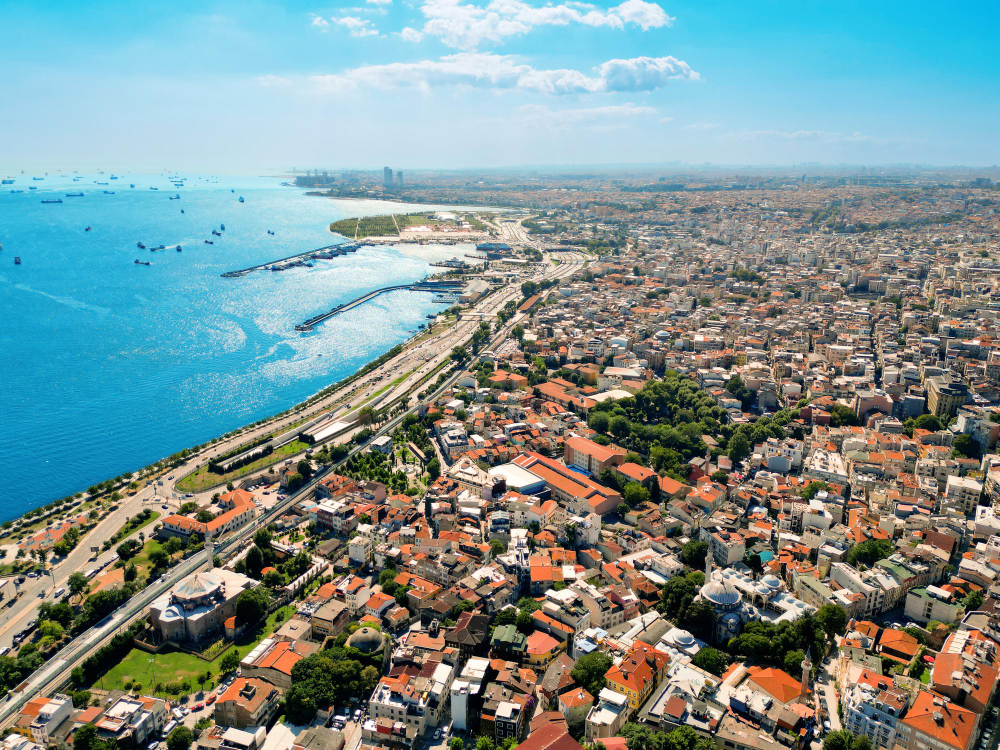
Istanbul, Turkey’s largest city, has long been a crossroads of civilisations, blending the rich history of the East with the modernity of the West. The city is a hub of culture, commerce, and tourism, making it one of the most desirable locations for real estate investment in the region. The apartment market in Istanbul is particularly vibrant, offering a wide range of options from luxurious penthouses overlooking the Bosphorus to more affordable units in rapidly developing suburbs.
This article delves into the various facets of the apartment market in Istanbul, exploring why the city is attracting both domestic and international buyers, what kinds of properties are available, and how the market’s unique dynamics influence investment decisions.
Why Istanbul? The City’s Investment Potential
Istanbul’s strategic location, bridging Europe and Asia, makes it a global city with significant economic and cultural influence. The city’s real estate market, particularly the apartment sector, reflects its dynamic character.
Economic Growth and Urbanisation:
Turkey’s economy has shown resilience amid global uncertainties, with Istanbul at its centre. The city’s robust economic growth, driven by sectors such as finance, tourism, and manufacturing, has fuelled demand for housing. As Istanbul continues to urbanise, with new infrastructure projects and business hubs emerging, the demand for apartments is expected to rise steadily.
Population Growth and Demographic Shifts:
Istanbul’s population has been growing rapidly, currently estimated at over 15 million people. This growth is driven by both domestic migration and a steady influx of foreign residents, attracted by the city’s opportunities and lifestyle. The rising population, coupled with a young demographic, ensures a sustained demand for apartments, particularly in well-connected areas with access to amenities like schools, shopping centres, and healthcare facilities.
Foreign Investment Appeal:
Foreign investors have increasingly been eyeing Istanbul’s real estate market, particularly since the Turkish government introduced the Citizenship by Investment programme in 2017. This initiative allows foreigners to obtain Turkish citizenship by investing in real estate, with a minimum requirement of $400,000. This policy has significantly boosted demand for high-end apartments, especially from buyers in the Middle East, Europe, and Asia.
Understanding Istanbul’s Apartment Market:
The apartment market in Istanbul is diverse, with options catering to different budgets and lifestyles. The city’s geography and the variety of neighbourhoods offer something for everyone, whether they seek luxury, affordability, or proximity to the city centre.
Prime Locations: The Bosphorus and City Centre
Bosphorus Views: Apartments with views of the Bosphorus Strait are among the most sought-after properties in Istanbul. Neighbourhoods such as Bebek, Ortakoy, and Arnavutkoy offer stunning views and easy access to the waterfront, making them popular among wealthy buyers. These areas are known for their historic charm, high-end restaurants, and luxury boutiques. However, the exclusivity comes at a price, with apartments here often commanding premium prices.
City Centre Living: For those who prioritise being in the heart of the action, districts like Beyoglu, Sisli, and Besiktas offer vibrant city living. Beyoglu, home to the famous Istiklal Avenue, is a bustling area with a mix of historic buildings and modern apartments. Sisli and Besiktas, on the other hand, are business hubs, making them ideal for professionals who want to live close to work. Apartments in these areas are in high demand due to their proximity to key attractions, business districts, and transport links.
Emerging Neighbourhoods: Growth and Affordability
As Istanbul expands, new neighbourhoods are emerging as popular residential areas, offering more affordable apartments without compromising on quality.
Esenyurt: Located on the European side, Esenyurt has become one of the fastest-growing districts in Istanbul. Known for its affordable housing options, Esenyurt has attracted a large number of middle-income buyers. The area is characterised by modern residential complexes with extensive amenities such as swimming pools, fitness centres, and landscaped gardens. The ongoing development of infrastructure, including new metro lines, has further enhanced its appeal.
Beylikduzu: Also on the European side, Beylikduzu is another area experiencing rapid growth. It is known for its green spaces, wide roads, and well-planned residential areas. The district offers a variety of apartment options, from affordable units to more upscale residences. The proximity to the coast and the presence of several shopping centres make Beylikduzu a popular choice for families.
Sancaktepe: On the Asian side, Sancaktepe is emerging as a residential hotspot. The area offers a quieter, suburban lifestyle while still being well-connected to the rest of the city. With ongoing infrastructure projects, including a new metro line, Sancaktepe is expected to see significant appreciation in property values in the coming years.
The Legal Framework: Navigating Property Laws in Turkey
Investing in real estate in Istanbul requires a thorough understanding of Turkey’s legal framework, particularly for foreign buyers. The process is relatively straightforward, but there are key points to consider.
Property Ownership for Foreigners:
Foreign nationals are allowed to purchase property in Turkey, with certain restrictions. For instance, foreigners cannot buy properties in military zones or other restricted areas. It’s advisable to consult with legal experts who can guide you through the process, ensuring compliance with all regulations.
Title Deeds and Due Diligence:
Obtaining a title deed (Tapu) is a crucial step in the property purchase process. The Tapu is the official document that proves ownership of the property. Buyers must ensure that the property is free of any legal issues, such as unpaid taxes or mortgages. Conducting due diligence with the help of a reputable lawyer is essential to avoid potential pitfalls.
Property Taxes and Fees:
Buyers in Istanbul should also be aware of the various taxes and fees associated with purchasing property. These include the title deed registration fee, which is typically 4% of the property’s value, and annual property taxes. Additionally, foreign buyers may need to pay for a translator’s services during the transaction process.
Investment Opportunities: Maximising Returns
Investing in apartments in Istanbul offers several avenues for generating returns, whether through capital appreciation, rental income, or resale opportunities.
Buy-to-Let Investments:
The rental market in Istanbul is robust, particularly in districts close to business centres, universities, and tourist attractions. Buy-to-let investors can expect steady rental income, especially in areas like Kadikoy, Levent, and Maslak, where demand for rental properties is consistently high. Rental yields in Istanbul generally range from 5% to 8%, depending on the location and quality of the apartment.
Short-Term Rentals:
Istanbul’s thriving tourism industry presents opportunities for investors interested in short-term rentals. Platforms like Airbnb have made it easier for property owners to rent out their apartments to tourists. Districts such as Sultanahmet, Taksim, and Galata are particularly popular with short-term renters due to their proximity to historical sites and vibrant nightlife. However, investors should be aware of local regulations governing short-term rentals, as these can vary from one neighbourhood to another.
Capital Appreciation:
Istanbul’s real estate market has shown consistent growth over the past decade, with property prices increasing steadily. Areas undergoing urban renewal or infrastructure development, such as Kagithane and Atasehir, offer significant potential for capital appreciation. Investors who purchase apartments in these emerging areas can expect their properties to increase in value as the districts become more developed and connected.
Challenges and Risks: What Investors Should Know
While the Istanbul apartment market offers attractive opportunities, it’s not without its challenges. Investors should be aware of the potential risks involved.
Market Volatility:
The Turkish economy has faced periods of volatility, and this can impact the real estate market. Factors such as inflation, currency fluctuations, and changes in government policy can influence property prices and demand. Foreign investors, in particular, need to consider the impact of currency exchange rates on their investment returns.
Bureaucratic Hurdles:
Navigating the bureaucracy in Turkey can be challenging, especially for those unfamiliar with the system. From obtaining permits to dealing with property developers, the process can be time-consuming. Working with experienced real estate agents and legal professionals is crucial to overcoming these challenges.
Regulatory Changes:
The Turkish government has implemented various regulations to manage the real estate market, particularly concerning foreign ownership and investment. These regulations can change, affecting the ease of doing business in the market. Investors should stay informed about any new laws or policies that may impact their investments.
Conclusion: A City of Opportunities
Istanbul’s apartment market offers a wealth of opportunities for investors, whether they are looking for luxury penthouses, affordable housing, or properties with strong rental potential. The city’s unique blend of culture, history, and modernity, combined with its strategic location and growing economy, makes it an attractive destination for real estate investment.
However, like any investment, buying property in Istanbul requires careful consideration and due diligence. Understanding the market dynamics, legal framework, and potential risks is essential for making informed decisions. With the right approach, investing in Istanbul’s apartment market can yield significant returns and provide a foothold in one of the world’s most fascinating cities.