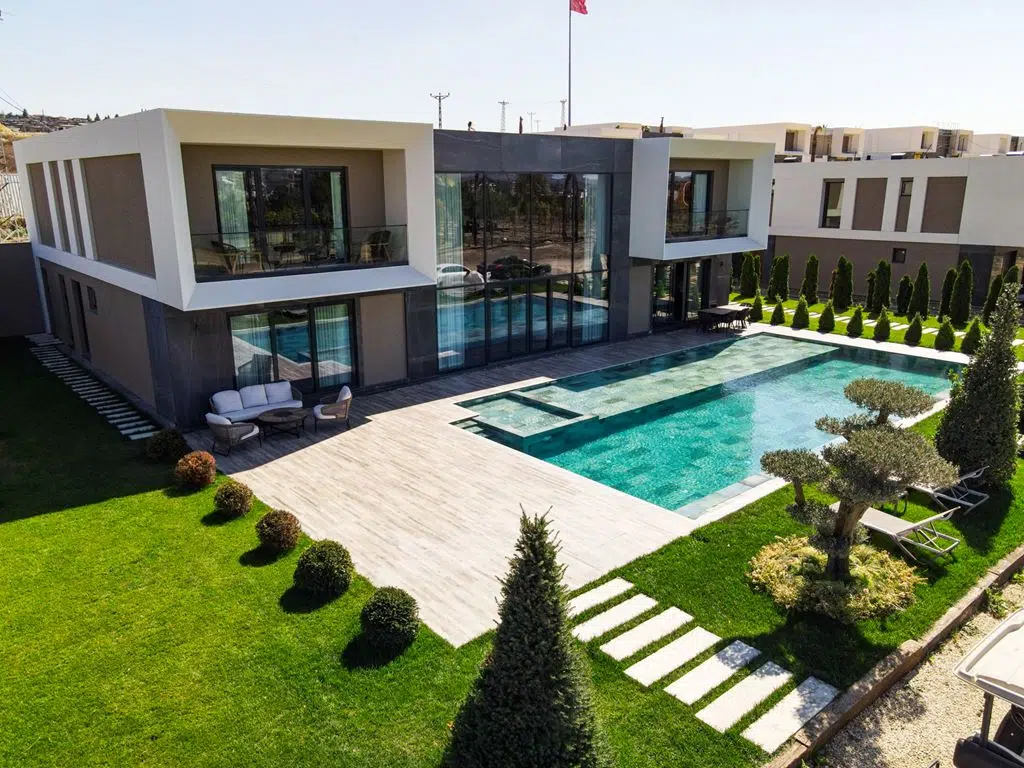
Istanbul, a city of unparalleled historical depth and modern dynamism, continues to captivate property investors and prospective homeowners alike. As Turkey’s economic hub and a cultural crossroads, Istanbul’s real estate market offers a diverse array of opportunities for buying houses. The article explores the current state of the market, examining key areas, investment trends, and future projections.
Current Market Overview:
Economic Influences and Market Dynamics:
Istanbul’s real estate market is intricately linked to the city’s economic conditions. As Turkey’s financial epicentre, Istanbul’s property market reflects both national and international economic trends. The past few years have seen fluctuations influenced by currency depreciation and inflation. However, the city’s inherent attractiveness has ensured continued interest from both domestic and foreign investors.
The Turkish lira’s volatility has impacted property prices, creating both challenges and opportunities. Despite this, Istanbul’s strategic location and rich cultural heritage keep it on the radar for real estate investment. The city’s real estate market remains buoyant, with new developments and revitalisation projects contributing to its robust performance.
Factors Driving Demand:
Several critical factors underpin the demand for residential properties in Istanbul:
Population Growth: Istanbul’s burgeoning population, driven by both internal migration and international immigration, creates a persistent need for residential housing. The city’s expanding demographics fuel demand across various property segments, from luxury homes to affordable housing.
Infrastructure Developments: Major infrastructure projects are reshaping Istanbul’s real estate landscape. The Istanbul Canal, for instance, is poised to enhance the city’s connectivity and open up new investment opportunities. Other projects, such as the expansion of the metro system and improvements to the Istanbul Airport, are also driving property demand in adjacent areas.
Tourism and Short-Term Rentals: Istanbul’s status as a premier tourist destination translates into significant demand for properties suitable for short-term rentals. Areas close to major attractions and transport hubs are particularly popular among investors seeking to capitalise on the tourism market.
Prime Areas for Investment:
- Central Istanbul: The Centre of Activity
Central Istanbul remains the most sought-after area for property investment due to its cultural and commercial significance. Notable districts include:
Beyoğlu: Beyoğlu’s historic streets and vibrant atmosphere make it a desirable location for residential properties. The district, home to Istiklal Avenue and Galata Tower, offers a mix of modern and historic homes. Investors are drawn to Beyoğlu’s unique blend of cultural heritage and contemporary amenities.
Şişli: Şişli, a major commercial and residential district, provides a range of property options. From modern apartments to traditional houses, Şişli’s central location and well-developed infrastructure make it appealing to both families and professionals.
Beşiktaş: Known for its youthful vibe and proximity to the Bosphorus, Beşiktaş attracts students, young professionals, and families. The district’s dynamic environment, combined with its cultural and recreational offerings, makes it a popular choice for property buyers.
- Asian Side: Emerging Opportunities
The Asian side of Istanbul, including Kadıköy, Üsküdar, and Ataşehir, is gaining prominence as an investment destination. This side of the city offers a more residential and relaxed atmosphere compared to the European side.
Kadıköy: Kadıköy’s bustling markets and diverse cultural scene make it an attractive location for residential properties. The district’s accessibility and vibrant lifestyle appeal to both locals and expatriates, enhancing its investment potential.
Üsküdar: Üsküdar combines historical charm with modern development. Properties in Üsküdar benefit from scenic Bosphorus views and proximity to significant landmarks. The district’s blend of old-world charm and contemporary amenities appeals to a broad range of buyers.
Ataşehir: Ataşehir is emerging as a key business district, with numerous new residential and commercial developments. The area’s modern infrastructure and planned projects make it a promising investment option for those seeking growth potential.
- Suburban Areas: Value and Growth
For investors seeking affordability and long-term growth potential, Istanbul’s suburban areas present attractive opportunities. Districts like Başakşehir, Esenyurt, and Arnavutköy are gaining traction.
Başakşehir: Başakşehir is a well-planned district featuring modern residential complexes and ample green spaces. The area’s infrastructure, including schools and healthcare facilities, supports its development as a major residential hub. Families and long-term investors find Başakşehir appealing for its balance of affordability and quality of life.
Esenyurt: Esenyurt offers more affordable property options and is experiencing rapid development. The district’s expanding infrastructure and residential projects create potential for future value appreciation, attracting both domestic and international investors.
Arnavutköy: Situated on the northern edge of Istanbul, Arnavutköy is seeing significant development due to its proximity to the Istanbul Airport and other infrastructure projects. The district’s potential for growth makes it a notable area for investment.
Investment Considerations:
- Navigating Legal and Regulatory Frameworks
Investors must be aware of Turkey’s property laws and regulations. Foreign buyers face specific restrictions and requirements, including property ownership limits and residency permits. Engaging with a knowledgeable real estate agent and legal advisor is essential for navigating these regulations and ensuring a smooth transaction. - Evaluating Property Types
Istanbul’s real estate market offers a range of property types, including houses, apartments, and villas. Buyers should consider their investment goals and target market when selecting property types. For instance, houses in central areas may attract long-term residents or tourists, while suburban properties may appeal to families seeking space and affordability. - Monitoring Market Trends
Staying informed about market trends and economic indicators is crucial for making strategic investment decisions. Factors such as interest rates, inflation, and property market dynamics can impact property values and rental yields. Regularly monitoring these trends helps investors identify opportunities and manage risks effectively. - Exploring Financing Options
Financing options for purchasing houses in Istanbul vary. Investors should explore mortgage loans from Turkish banks or private lenders, comparing interest rates, loan terms, and repayment conditions to find the most suitable financing solutions.
Future Outlook for Istanbul’s Real Estate Market:
- Continued Urban Growth
Istanbul’s ongoing urbanisation is expected to drive further demand for residential properties. As the city expands and infrastructure projects progress, new investment opportunities will arise, particularly in emerging and redeveloped areas. - Technological and Sustainable Development
The integration of smart technology and sustainable practices is becoming increasingly common in Istanbul’s real estate market. Investors can anticipate a rise in properties featuring advanced technology and eco-friendly design elements. - Global Economic Trends
Global economic factors, including investment flows and geopolitical developments, may influence Istanbul’s real estate market. Staying attuned to global trends helps investors adapt to changing conditions and capitalise on emerging opportunities. - Emphasis on Sustainability
Sustainability is becoming a key focus in property development. Developers and investors are prioritising green building practices, energy-efficient systems, and sustainable materials to meet growing demand for environmentally conscious living solutions.
Conclusion:
The market for houses in Istanbul offers a diverse range of opportunities for investors, from central urban districts to emerging suburban areas. With its strategic location, cultural significance, and ongoing development, Istanbul remains a prominent player in the global real estate market. By understanding the city’s unique characteristics, staying informed about market trends, and navigating regulatory considerations, investors can effectively capitalise on Istanbul’s dynamic property market.
As the city continues to evolve, its real estate market will present new opportunities and challenges. Investors who remain adaptable and well-informed will be well-positioned to make strategic decisions and achieve successful outcomes in Istanbul’s vibrant real estate sector.