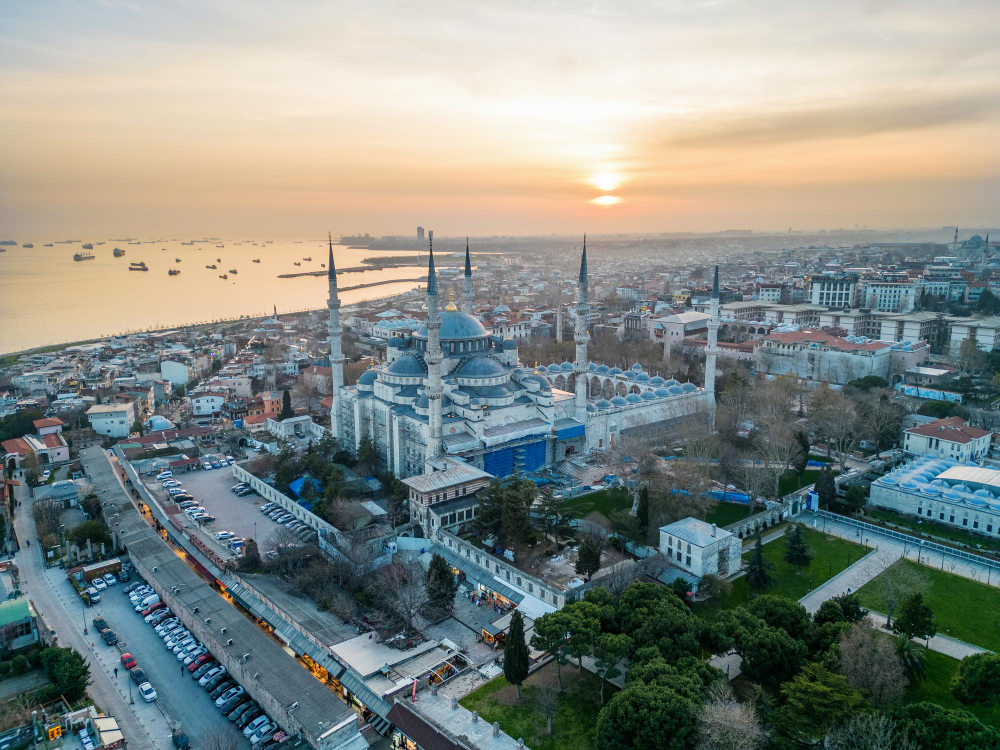
Introduction: The Allure of Istanbul’s Property Market
Istanbul, a city that straddles two continents, has long been a hub of commerce, culture, and intrigue. As the economic and cultural heart of Turkey, it is no surprise that Istanbul has also become a focal point for real estate investment. With its rich history, strategic location, and vibrant economy, the city offers a unique blend of old-world charm and modernity that appeals to both domestic and international buyers. The real estate market in Istanbul is diverse, ranging from luxury waterfront villas to affordable apartments, making it an attractive destination for a wide range of investors. However, navigating this dynamic market requires a deep understanding of the city’s geography, legal framework, and economic landscape.
The Geographical Landscape: A City of Contrasts:
Istanbul’s real estate market is as varied as the city itself. The Bosphorus Strait divides the city into European and Asian sides, each with its own distinct character and appeal.
The European Side: The European side of Istanbul is home to some of the city’s most prestigious neighbourhoods, including Bebek, Nişantaşı, and Levent. These areas are known for their luxury apartments, historic mansions, and proximity to the city’s financial and cultural centres. The European side also includes emerging districts like Basaksehir and Esenyurt, which have seen significant development in recent years, offering more affordable options for middle-class buyers.
The Asian Side: The Asian side of Istanbul is often considered more residential and less hectic than the European side. Areas such as Kadikoy, Uskudar, and Atasehir offer a more relaxed lifestyle with beautiful views of the Bosphorus and the Sea of Marmara. The Asian side has also seen a surge in property development, with new housing projects catering to both upper-middle-class residents and wealthy investors seeking a quieter, yet equally prestigious, alternative to the European side.
Emerging Areas: Istanbul’s rapid urbanisation has led to the emergence of new residential districts on the outskirts of the city. Areas like Beylikduzu, Buyukcekmece, and Silivri have become increasingly popular due to their affordability and growing infrastructure. These areas are particularly attractive to young families and first-time buyers who are priced out of the more central districts.
The Investment Landscape: Opportunities and Challenges
Investing in Istanbul’s real estate market can be highly rewarding, but it also comes with its own set of challenges. The city’s property market is influenced by a range of factors, including economic conditions, political stability, and regulatory changes.
Economic Factors: Istanbul’s economy has shown remarkable resilience in recent years, despite global economic uncertainties. The city’s real estate market has benefitted from this stability, with property prices showing steady growth. However, investors must also consider the impact of inflation, currency fluctuations, and interest rates on their investments. The Turkish lira’s volatility, in particular, has both positive and negative implications for foreign investors. While a weaker lira makes property more affordable for foreign buyers, it also poses risks related to exchange rate fluctuations and potential inflation.
Political Stability: Turkey’s political environment plays a significant role in shaping the real estate market. While Istanbul has generally remained a safe and stable city, investors should be aware of the broader political context. Government policies on property ownership, particularly for foreign buyers, can change, and it is essential to stay informed about any new regulations or restrictions that may impact the market.
Regulatory Environment: The legal framework for property ownership in Istanbul is well-established, but it can be complex, especially for foreign investors. Non-Turkish nationals are generally allowed to purchase property in Turkey, but there are restrictions in certain areas, particularly those close to military zones or other strategic locations. It is crucial for investors to work with experienced legal professionals who can navigate these regulations and ensure a smooth transaction process.
Market Trends: Understanding the Dynamics
Understanding the current trends in Istanbul’s real estate market is essential for making informed investment decisions. Several key trends are shaping the market in 2024.
Urban Renewal Projects: Istanbul has been undergoing significant urban renewal in recent years, with old, dilapidated buildings being replaced by modern, earthquake-resistant structures. These projects are concentrated in areas like Fikirtepe, Gaziosmanpasa, and Kagithane, where older housing stock is being replaced with new, high-quality developments. These areas offer excellent opportunities for investors looking to capitalise on the city’s growth and modernisation.
Luxury Market Growth: The demand for luxury properties in Istanbul continues to rise, driven by both domestic buyers and wealthy international investors. Areas like Bebek, Arnavutkoy, and Zorlu Centre are known for their high-end real estate, including penthouses, waterfront villas, and exclusive apartment complexes. These properties command premium prices, but they also offer significant potential for capital appreciation, especially as Istanbul’s global profile continues to grow.
Affordable Housing Demand: While luxury properties dominate the headlines, there is also a strong demand for affordable housing in Istanbul. The city’s growing population and expanding middle class have created a need for more affordable housing options. Areas like Esenyurt, Sancaktepe, and Tuzla have become hotspots for affordable housing developments, offering new apartments at relatively lower prices. These areas are attracting young professionals, families, and first-time buyers, making them attractive for investors looking for stable rental yields and long-term growth potential.
Sustainability and Smart Homes: As with many global cities, there is a growing emphasis on sustainability and smart home technology in Istanbul’s real estate market. Developers are increasingly incorporating energy-efficient features, smart home systems, and eco-friendly materials into their projects. Areas like Kemerburgaz, Zekeriyakoy, and Buyukcekmece are leading the way in sustainable development, offering eco-conscious buyers properties that align with their values.
Who Are the Buyers?
The diversity of Istanbul’s real estate market is reflected in the wide range of buyers it attracts. From wealthy individuals seeking luxury residences to middle-class families looking for affordable homes, the market caters to various segments.
Domestic Buyers: Turkish nationals make up the majority of buyers in Istanbul’s real estate market. Many are purchasing properties as primary residences, while others are investing in real estate as a way to hedge against inflation and currency volatility. The demand for second homes, particularly in coastal areas and suburban districts, has also been on the rise among domestic buyers.
Foreign Investors: Istanbul has become an increasingly popular destination for foreign investors, particularly from the Middle East, Europe, and Asia. The Turkish government’s citizenship-by-investment programme, which grants citizenship to foreigners who invest a certain amount in real estate, has been a significant driver of this trend. Investors from countries like Saudi Arabia, Kuwait, and Qatar are particularly active in Istanbul’s luxury real estate market, drawn by the city’s cultural ties, strategic location, and potential for capital appreciation.
Expatriates: Istanbul’s growing expatriate community includes diplomats, corporate executives, and professionals from various industries. Many expatriates are drawn to the city’s vibrant lifestyle, cultural diversity, and relative affordability compared to other global cities. Expatriates tend to favour districts like Levent, Etiler, and Cihangir, which offer easy access to business centres, international schools, and entertainment options.
The Future Outlook: A City of Opportunities
Istanbul’s real estate market is poised for continued growth, driven by its strategic location, economic resilience, and diverse property offerings. However, investors should approach the market with a clear understanding of the risks and opportunities involved.
Infrastructure Development: Istanbul’s ongoing infrastructure projects, including the new Istanbul Airport, the Marmaray rail project, and the Kanal Istanbul initiative, are expected to have a significant impact on the real estate market. These projects will improve connectivity, boost economic activity, and increase demand for property in surrounding areas.
Tourism and Hospitality: Istanbul’s tourism sector is a major contributor to the city’s economy, and it also influences the real estate market. The demand for short-term rental properties, particularly in central and historic districts, remains strong, offering investors opportunities for rental income. However, the market is highly competitive, and investors should be aware of the regulatory environment governing short-term rentals.
Long-Term Investment Potential: For investors with a long-term perspective, Istanbul offers significant potential for capital appreciation. The city’s population is expected to continue growing, and its status as a global city is likely to attract more international buyers. However, market conditions can change, and investors should remain vigilant, keeping an eye on economic indicators, political developments, and emerging trends.
Conclusion:
Investing in Istanbul’s real estate market offers a unique opportunity to become part of one of the world’s most dynamic and historically rich cities. Whether one is interested in luxury villas, affordable apartments, or commercial properties, Istanbul has something to offer every investor. However, the market is complex and requires careful navigation. By understanding the city’s geography, market trends, and regulatory environment, investors can make informed decisions that align with their financial goals.
As Istanbul continues to grow and evolve, its real estate market will undoubtedly play a crucial role in shaping the city’s future. For those who are willing to embrace the challenges and opportunities, the rewards can be substantial, both in terms of financial returns and the chance to own a piece of this remarkable city.